
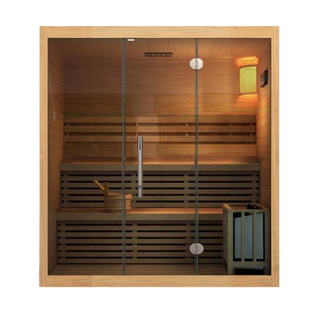


You've felt it. That post-sauna glow after a session at the gym or a spa. The loosened muscles, the clear head, the weirdly deep sleep that follows. And at some point, the thought creeps in: what if I just had one at home?
Good news: a home sauna is more achievable than most people think. Bad news: there are enough options, price points, and opinions online to send you into decision paralysis before you've even picked a spot in your backyard. This guide cuts through the noise.
First: what kind of sauna are you actually after?
Before you spend a cent, it helps to know what you're buying. There are three main types, and they feel pretty different from each other.
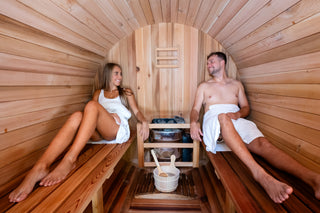
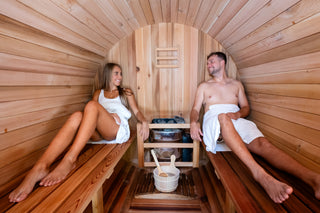
Traditional Finnish saunas are the OG. They use an electric heater or wood-burning stove to heat rocks, which you then splash with water to create steam (called löyly). Temps typically hit 80–100°C. This is what most people picture when they think "sauna."
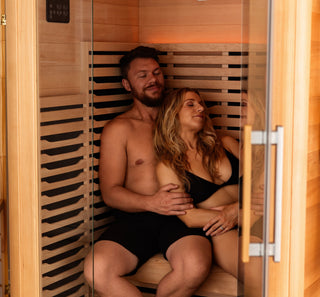
Infrared saunas use infrared panels to heat your body directly rather than warming the air around you. They run cooler (around 50–65°C) and are popular for people who find traditional saunas too intense. They're also generally cheaper and easier to install.
Steam rooms are a different beast, high humidity, lower heat, and while amazing, they require more waterproofing and maintenance. Most people opting for a home setup skip these unless they're doing a full bathroom renovation.
For a first home sauna, most people end up choosing between traditional and infrared, so that's where we'll focus.
Build it or buy a prefab kit?
This is the big fork in the road.
Prefab / Kit Saunas
These come flat-packed with pre-cut, tongue-and-groove panels, usually cedar or hemlock, that you assemble like a very satisfying puzzle. Most people with basic DIY skills can put one together in a weekend. Prices range from around $2,000–$8,000 AUD for an indoor kit, with outdoor barrel saunas often sitting in that same range.
Pros: Faster, no custom carpentry skills needed, predictable costs, often comes with the heater included.
Cons: Fixed sizes, less flexibility in layout, can look a little "kit-like" if you care about aesthetics.
Custom Builds
If you want something that fits perfectly into your space, or you want it to look like it belongs in a Scandinavian design magazine, a custom build is the way to go. You'll hire a builder (ideally one with sauna experience) and spec everything out yourself.
Costs vary wildly, but budget anywhere from $8,000 to $25,000+ AUD for a well-finished indoor or outdoor custom sauna.
Pros: Fully tailored, higher-end finishes, can integrate into existing structures (a garage, a garden room, a bathroom).
Cons: Longer timeline, higher cost, more decisions to make.
Indoor vs. outdoor: where's this thing going?
Both work great, it really comes down to your space and how you like to use it.
Indoor saunas are convenient. Stumbling from your sauna to your shower in winter is a lot nicer when you don't have to step outside. They're easier to keep at temperature and don't need weatherproofing. A spare bathroom, a corner of a basement, or even a large laundry room can work.
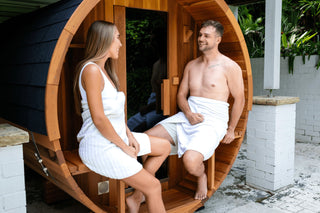
Outdoor saunas have their own magic. There's something about sitting in a cedar barrel in the garden, cracking the door open to let cold air rush in, that feels genuinely primal. They're also easier to install since you're not worrying about moisture damage to the rest of your house. Barrel saunas and cabin-style outdoor kits are hugely popular for good reason.
The heater: don't skip this decision
The heater is the heart of a traditional sauna, and it's worth thinking about carefully.
- Electric heaters are the most common for home use, easy to control, no flue required, heat up in 30–45 minutes. Brands like Harvia, Huum, and Tylo are well-regarded.
- Wood-burning stoves take longer to heat up and require a flue, but the experience is unmatched. If you're building outdoors and want that authentic Finnish feel, it's hard to go past wood.
For sizing: a rough rule is 1kW of heater power per cubic metre of sauna volume. Undersizing your heater is one of the most common mistakes people make, you want that room hot.
What does it actually cost to run?
A 6kW electric heater running for an hour costs roughly $1.50–$2.50 in electricity (depending on your provider and rate). Most people use their sauna 3–4 times a week for 45–60 minutes. That works out to somewhere between $20–$40/month, genuinely not much for something you'll use constantly.
A few things people wish they'd known
- Go bigger than you think you need. Saunas that feel roomy alone feel cramped with two people on a bench. If the space allows, size up.
- Cedar is worth it. It resists moisture, smells incredible, and handles the heat-cool cycles better than cheaper woods over time.
- Don't forget ventilation. Fresh air intake near the floor, exhaust near the top. Skimping on this makes the sauna feel stuffy and unpleasant.
- Plan for the cold plunge moment. Even if you're not installing a cold plunge, think about where you'll cool down, a garden hose, a shower, or even just a shaded spot outside.
- Check your local council rules. In most parts of New Zealand and Australia, a standalone outdoor sauna under a certain size doesn't need a building consent, but it's always worth checking before you build.
So, should you do it?
If you've been on the fence, here's an honest take: a home sauna is one of those purchases that almost nobody regrets. Unlike a lot of wellness gear that collects dust, a sauna gets more use over time, not less — especially once friends and family discover you have one. Start by deciding on your budget, your space, and whether you want the simplicity of infrared or the full traditional experience. Then find a reputable kit supplier or local builder, and start planning.