
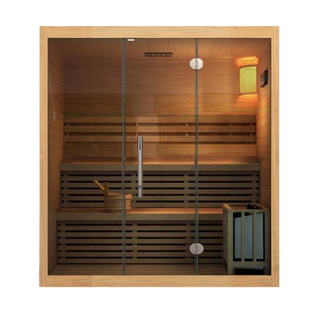


With so many options available, choosing the best home sauna can feel overwhelming. From traditional outdoor saunas to infrared models, the right choice depends on your available space, heating preferences, and how you plan to use the sauna. This guide explains everything you need to know about choosing the best sauna for your home
What is the best sauna for my home?
The best home sauna depends on your available space, preferred heat style, and budget.
Traditional saunas provide the classic high-heat experience with temperatures reaching 70–90°C, while infrared saunas operate at lower temperatures but heat the body directly using infrared panels.
Many homeowners prefer traditional outdoor saunas because they provide higher temperatures, better airflow, and a more authentic sauna experience. Understanding the different types of saunas is the first step to choosing the right one for your home.
Traditional Saunas
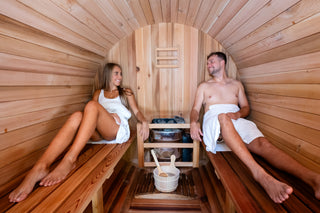
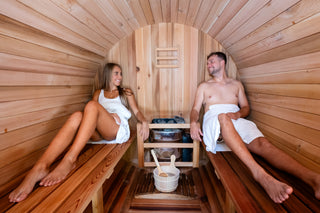
Traditional saunas heat the air using an electric or wood-burning heater and sauna stones. Water can be poured over the stones to create steam and increase humidity, producing the classic sauna experience.
Key features include:
- High temperatures between 70–90°C
- Traditional sauna steam when water is poured over stones
- Electric or wood-burning heaters
- Suitable for longer sauna sessions
Many high-quality home saunas use Harvia or Sawo heaters, two of the most respected sauna heater manufacturers from Finland. These heaters are specifically designed for traditional sauna environments and are known for their reliability, durability, and consistent heat performance.
Because of their design, they allow home saunas to comfortably reach temperatures of around 90°C, which is ideal for a traditional sauna session.
Infrared Saunas
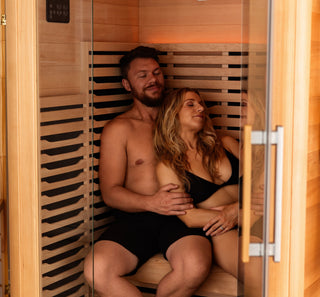
Infrared saunas work differently from traditional saunas. Instead of heating the air, they use infrared panels that warm the body directly.
Key features include:
- Lower temperatures between 40–60°C
- Faster heating times
- Lower power consumption
- Often installed indoors
Infrared saunas are popular in smaller spaces or homes where a lower-temperature sauna is preferred.
Indoor Saunas
Indoor saunas are installed inside the home, often in bathrooms, basements, or dedicated wellness rooms.
Advantages include:
- Convenient access year-round
- Protection from outdoor weather
- Integration into home renovations
However, indoor saunas require careful planning for ventilation, electrical connections, and space.
Outdoor Saunas
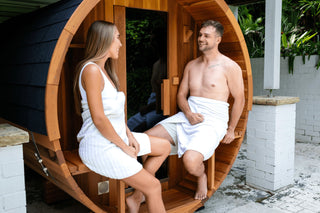
Outdoor saunas are one of the most popular options for home installations because they create a dedicated relaxation space separate from the main house.
Benefits include:
- Flexible installation in gardens or backyards
- More space for larger sauna sizes
- A more traditional sauna atmosphere
- Minimal impact on indoor living areas
Outdoor saunas also allow for cooling off between sessions, which many sauna users enjoy.
Outdoor vs indoor saunas
Both indoor and outdoor saunas offer unique advantages depending on your home layout and lifestyle.
| Feature | Indoor Sauna | Outdoor Sauna |
| Space requirements | Limited by interior space | More flexible |
| Installation | Inside home | Backyard or garden |
| Ventilation | Needs planning | Naturally ventilated |
| Sauna size options | Often smaller | As big as the space allows |
Outdoor saunas often provide more flexibility in design and size, making them a popular choice for home installations.
How much space do you need?
The amount of space required depends on the size of the sauna and the number of people who will use it. Typical sauna sizes include:
| Sauna Size | Users |
| 2 person sauna | Compact spaces |
| 4 person sauna | Small families |
| 6 person sauna | Social or family use |
Even compact saunas typically require around 1.2–1.5 metres of floor space, making them suitable for many homes. Outdoor saunas often provide the most flexibility when space inside the home is limited.
How much does a sauna cost to run?
Running a sauna is generally more affordable than many people expect.
A typical sauna session costs around $0.80 to $2 per use, depending on heater size, insulation, and electricity rates.
Most traditional electric sauna heaters range between 4.5kW and 9kW and heat the sauna in about 30–45 minutes.
Once the sauna reaches temperature, the heater cycles on and off to maintain heat, reducing overall electricity usage.
Choosing the right sauna size
The best sauna size depends on how many people will use it regularly.
General recommendations include:
- 2–3 person sauna – ideal for couples or smaller spaces
- 4 person sauna – popular for families
- 6 person sauna – suitable for entertaining or group use
Choosing a slightly larger sauna often provides a more comfortable experience if space allows.
Important features to look for in a home sauna
When comparing sauna options, several factors affect performance and long-term durability.
- Quality timber: high-quality sauna timber improves insulation and durability while enhancing the sauna environment.
- Reliable heater: a properly sized heater is essential for efficient heating and consistent temperatures.
- Ventilation: good airflow keeps the sauna comfortable and maintains consistent heat distribution.
- Insulation: well-insulated saunas heat faster and retain temperature more effectively.
Benefits of installing a home sauna
A home sauna offers several lifestyle benefits.
- Convenience: enjoy sauna sessions whenever you want without travelling to a gym or spa.
- Relaxation: sauna heat helps many people unwind and reduce stress.
- Recovery: athletes often use saunas to support muscle recovery after training.
- Wellness: regular sauna use can become a relaxing part of a healthy lifestyle.
Choosing the best home sauna depends on your space, heating preference, and how you plan to use it. Traditional saunas provide the classic high-temperature experience, often reaching around 90°C with reliable heaters such as Harvia or Sawo, while infrared saunas offer a lower-temperature alternative for compact indoor spaces.
Outdoor saunas provide the most flexibility and create a relaxing retreat separate from the main house. With the right design and installation, a home sauna can become one of the most enjoyable and rewarding additions to your home.