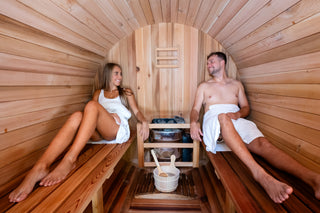

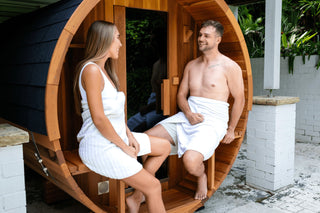
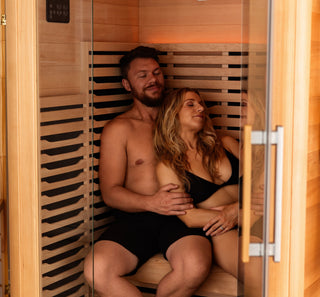
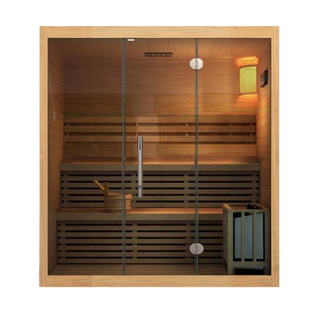


Saunas have been part of daily life in Scandinavia for thousands of years, long before "wellness" became a marketing word. In Finland alone, sauna culture is so central to national identity that it's recognised by UNESCO as intangible cultural heritage. That tradition, real heat, real wood, real ritual, is the standard we build to every time we design a sauna for a home in Wānaka, Christchurch, Melbourne, or anywhere in between.
This guide covers what actually separates a good sauna from a great one, how to choose between indoor and outdoor, and what to look for so you don't end up with an imported box that looks the part but doesn't perform like one.
Where sauna culture actually comes from
The word "sauna" is Finnish, and so is most of the equipment that defines a proper sauna experience. Traditional Finnish saunas rely on a wood or electric heater (a kiuas) loaded with volcanic rocks, which release löyly, the burst of steam that comes from pouring water over hot stones. That's the ritual we design around: dry heat with the option of steam on demand, not a wet steam room and not a glorified heat lamp.
We supply and fit heaters from Sawo and Harvia, two of Finland's most established sauna equipment manufacturers, because the heater is the single component that determines whether a sauna actually performs. A well-built cedar room with a weak or poorly matched heater is still a disappointing sauna.
Materials matter more than people think
Two timbers dominate quality sauna construction, and each does a different job:
Canadian Red Cedar Naturally resistant to moisture, rot, and warping, with a low density that keeps the wood cool to touch even at high temperatures. It's the timber of choice for outdoor saunas and benches in New Zealand's variable, often damp climate, because it handles humidity and temperature swings without degrading.
Finnish Pine (Spruce/Pine) Tighter grain, minimal resin, and a pale, clean finish that's traditional in Scandinavian interior sauna panelling. It heats evenly and has a subtler scent than cedar, which many people prefer for an indoor sauna used daily.
Neither timber is "better" outright, they suit different builds and different climates. A sauna that mixes the two intelligently (cedar exterior cladding, pine or cedar interior lining) tends to outlast and outperform saunas built from a single cheaper substitute like standard pine or treated softwood, which is common in mass-produced imports.
Indoor vs outdoor saunas: which is right for you?
| Indoor Sauna | Outdoor Sauna | |
|---|---|---|
| Best for | Daily use, all-weather convenience | Full ritual experience, larger groups |
| Typical space needed | A spare room, garage, or bathroom corner | Garden, deck, or dedicated outdoor space |
| Setup | Simpler electrical connection, faster install | May need groundwork, decking, or power run |
| Climate resilience | Not a factor, it's indoors | Needs cedar construction to handle NZ/AU weather |
| Price starting point | From $6,995 | From $10,995 |
| Feel | Private, low-maintenance, part of your daily routine | Social, immersive, closer to traditional Finnish lakeside sauna culture |
Neither option is objectively "best", it depends on how you'll actually use it. If you want a sauna you'll use most days without thinking twice, indoor usually wins on convenience. If you want the full experience, cold plunge, deck, evening ritual, an outdoor cedar sauna is hard to beat.
The benefits of regular sauna use
Regular sauna use is widely associated with:
- Post-exercise recovery – heat exposure is commonly used by athletes to aid muscle relaxation and recovery.
- Stress relief and relaxation – a consistent, ritualised way to disconnect at the end of the day.
- Improved circulation – heat causes blood vessels to dilate, which many people experience as a warming, loosening effect.
- Better sleep – many users report improved sleep quality after evening sauna sessions.
- Social and mental wellbeing – particularly with outdoor saunas, which tend to become a shared, social space rather than a solo one.
These are general wellness associations reported by regular sauna users, not medical claims, and saunas aren't a substitute for medical care. If you have a heart condition, are pregnant, or have other health concerns, check with your doctor before starting regular sauna use.
What to look for when buying a sauna
- Timber source and grade – ask specifically whether it's Canadian red cedar or Finnish pine, and whether it's kiln-dried. Cheaper imports often substitute generic softwood.
- Heater brand and sizing – the heater should be sized to the room's volume, not just dropped in. Reputable brands (Sawo, Harvia, and similar) publish proper sizing charts, which distinguish considered installs from off-the-shelf hardware.
- Local design for local conditions – a sauna designed for Nordic winters isn't automatically right for Auckland humidity or Central Otago's temperature swings. Ask whether the design has actually been adapted for NZ or Australian conditions.
- Installation and after-sales support – imported flat-pack saunas often arrive with limited local support if something goes wrong. A local team that installs, services, and stands behind the product is worth paying for.
- Turnaround and communication – ask how quickly a company actually responds. We run a same-day customer service standard because a sauna is a considered purchase, and people shopping for one deserve fast, direct answers, not a support queue.
Why we build the way we do
We're New Zealand-designed, built around genuine Scandinavian materials and equipment (Canadian red cedar, Finnish pine, Sawo and Harvia heaters), and adapted specifically for New Zealand and Australian conditions rather than a one-size-fits-all import. We supply across both countries with the same standard: real materials, properly sized heaters, and a local team who answers the phone, ask for Matt.
Our goal is accessible luxury: the same authentic sauna experience Scandinavia has practised for centuries, built to a standard that holds up to local weather, and priced so it's an investment in your home rather than a compromise.
Frequently asked questions
What's the difference between a Finnish sauna and a steam room? A Finnish sauna uses dry heat with occasional steam from water poured over hot stones (löyly). A steam room is constantly humid at a lower temperature. They're different experiences with different equipment entirely.
Is Canadian red cedar or Finnish pine better? Neither is universally better. Cedar handles moisture and outdoor exposure better; pine offers a cleaner, more traditional indoor finish. The right choice depends on whether the sauna is indoor or outdoor.
Do you supply saunas in Australia as well as New Zealand? Yes, we design and supply saunas across both New Zealand and Australia.
How long does installation take? This varies by project and site conditions, contact us for a free, accurate quote based on your space.
How do you maintain a sauna? Wipe down benches after each use, leave the door open to air out and dry the room between sessions, and give the interior a light clean with warm water every few weeks, avoid harsh chemical cleaners on cedar or pine as they can strip the wood's natural oils. Outdoor cedar saunas benefit from an annual check of the exterior cladding and seals, while heaters should have their stones inspected and replaced periodically as they break down with heat cycling. A well-maintained cedar or pine sauna can last decades with minimal upkeep.
The bottom line
A great sauna comes down to a handful of things that are easy to overlook when you're comparing prices online: real timber (Canadian red cedar or Finnish pine, not a generic softwood substitute), a properly sized heater from a reputable brand like Sawo or Harvia, a design that actually suits New Zealand or Australian conditions, and a local team who'll install it, service it, and pick up the phone if something needs sorting.
Whether you're after the daily convenience of an indoor sauna or the full ritual of an outdoor cedar build, the goal is the same: an authentic, Scandinavian-rooted sauna experience that's built to last and priced as an investment in your home, not a compromise.