


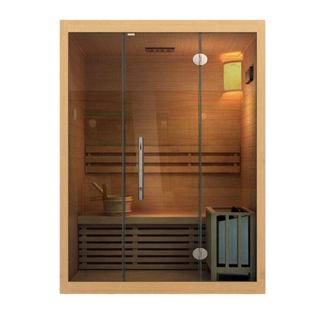

Search interest in “eco-friendly sauna” has climbed steadily over the past two years, and it’s not hard to see why. Sauna use itself is booming as part of the wider biohacking and recovery trend — but a growing slice of buyers don’t just want the heat, the HRV boost, and the post-workout recovery. They want a build that doesn’t cost the planet to get there. That shift is turning “eco sauna” from a niche label into a real purchasing category. Here’s what’s actually driving the trend, and what to look for if you’re shopping for one.
What makes a sauna “eco” in the first place
It’s not one feature — it’s a stack of decisions, from the forest to the finish:
Timber sourcing. The best eco builds use FSC or PEFC-certified wood — timber verified to come from responsibly managed forests rather than unregulated logging. Species like Western Red Cedar, Thermowood, and Nordic spruce are popular both for their performance in heat and for how they’re sourced.
Low-waste manufacturing. This is where the “no waste” reputation comes from, and it’s real at the manufacturers doing it properly — though it’s a production choice, not something automatically true of every eco-labeled sauna. Leading manufacturers use precision cutting techniques that get more usable panels out of each log, repurpose offcuts into smaller components or accessories, and burn the genuinely unusable sawdust and scrap as biomass fuel to power their own facilities. The result is a supply chain that’s much closer to zero-waste than traditional milling, but the honest version of that claim is “this manufacturer wastes very little,” not “this of sauna produces no waste.”
Non-toxic finishes. Low-VOC oils and sealants instead of synthetic varnishes — better for the air you’re actually breathing inside a hot, enclosed box.
Efficient heating. Infrared heaters use less electricity than traditional heaters to hit comparable therapeutic temperatures. Pellet stoves, where wood-burning is preferred, burn at 85%+ efficiency versus 60-70% for traditional wood burning — and modern smart thermostats stop the unit overheating an empty room.
Smart, minimal water use. This one surprises people: a sauna session uses next to no water. Infrared units use zero. Traditional saunas use only what you ladle onto the rocks. Compare that to a hot tub, which can take hundreds of gallons just to fill.
Why it’s catching on now
- The broader sauna boom. As more people add sauna to a recovery or longevity stack, the category gets bigger overall — and a bigger category naturally splits into “cheapest” and “most responsible” buying tiers.
- Buyers scrutinizing big-ticket purchases more. A sauna is a multi-year, sometimes multi-thousand-dollar investment. People increasingly want to know where the materials came from, the same way they’d ask about a mattress or a car.
- Manufacturers competing on it. Once a few sauna companies started publishing sustainability pages — sourcing certifications, waste-reduction numbers, energy ratings — it became a differentiator the rest of the market had to respond to.
- Where the value argument actually holds up “Better value” is a fair claim for eco saunas, but it’s worth being specific about why, since it isn’t just a feel-good label:
- Lower running costs. Infrared heating and efficient pellet stoves use meaningfully less energy per session than older, inefficient wood burners — that’s a real, ongoing utility bill saving, not a one-time perk.
- Durability. Sustainably sourced, properly treated timber (thermally modified wood especially) tends to resist warping and moisture damage better, which means fewer repairs over the sauna’s life.
- Resale and longevity. A well-built, well-sourced sauna holds up — and holds its value — better than a cheap import that degrades in a few seasons.
- No compromise on the experience. This matters for adoption: today’s eco builds deliver the same heat, steam, and therapeutic benefit as conventional ones. Going green doesn’t mean a worse sauna.
What to check before you buy
If the eco angle matters to you, ask any manufacturer directly:
- Is the timber FSC or PEFC certified? (Ask for the certificate, not just the claim.)
- What’s the heat source, and what’s its efficiency rating?
- What finish is used — is it low-VOC?
- What happens to offcuts and sawdust in their production process?
A company with real sustainability practices will usually have specific answers and published numbers — vague language (“eco-friendly materials”) without specifics is a sign to dig further.
The bottom line
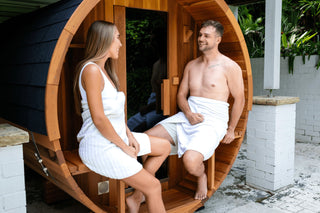
Eco saunas like our Victoria Outdoor Sauna, are gaining ground because they let you have the recovery and wellness benefits everyone’s chasing right now without the guilt of an unaccountable supply chain — and because the better-built ones genuinely cost less to run and last longer. That’s a real, defensible case for choosing one. The label “eco” is only as good as the certifications and numbers behind it, so the smartest move as a buyer is to ask for those specifics rather than taking the word at face value.