
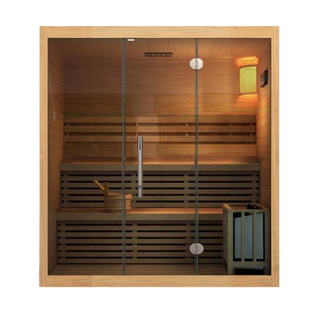


If your social feed has been full of ice baths and backyard sauna sessions lately, you're not imagining it. Contrast therapy, the practice of alternating hot sauna heat with cold water immersion, has moved from niche recovery circles into everyday wellness routines across Australia and New Zealand this winter. It's showing up everywhere from Byron Bay backyards to Melbourne wellness studios to community sauna groups on Auckland's waterfront.
At Tasman Saunas, we build traditional and infrared saunas for the New Zealand and Australian climate, and we talk to customers about contrast therapy almost every day. This guide draws on that day-to-day experience with customers, alongside published research, to walk you through what contrast therapy actually does, how to try it safely, and what to look for if you're setting it up at home.
What is contrast therapy
Contrast therapy means moving between a hot sauna session and cold water exposure in cycles. Heat causes your blood vessels to widen, relaxing muscles and increasing circulation. Cold water does the opposite, tightening blood vessels and triggering a rush of alertness. Alternating between the two creates what practitioners often call a vascular pump effect.
The practice itself isn't new. Nordic cultures have followed sauna sessions with a plunge into a lake or a roll in snow for generations, and Roman bathhouses traditionally ended in a cold plunge pool. What's changed is how mainstream it's become, particularly among people managing training recovery, chronic pain, or everyday stress.
Why this trend has taken hold in Australia and New Zealand right now
A few things have converged to make this winter a turning point for contrast therapy locally.
First, the broader wellness culture in both countries has shifted. Rather than chasing extreme biohacks, people are gravitating toward grounded, research-backed habits that fit into ordinary routines, and contrast therapy fits that shift well because sessions are short and the effects are immediate.
Second, home installation has become far more practical. Interest in outdoor saunas has grown alongside Australia and New Zealand's alfresco living culture, with more households placing saunas in sheltered outdoor spaces such as patios and decking. Purpose-built cold plunge tubs are increasingly common in backyards too, meaning people no longer need to join a studio to build a contrast routine at home.
Third, it's winter across most of Australia and New Zealand right now, and cooler months are when people lean hardest into recovery and immune-support routines. Community sauna groups have grown steadily across New Zealand for exactly this reason, offering a shared space to combine heat with a cold ocean or lake dip.
The research behind hot-cold contrast therapy
Sauna use on its own has a solid evidence base. Regular sessions are linked to improved circulation and cardiovascular markers, largely through the heat shock proteins your body produces when exposed to high temperatures.
Cold water immersion works through a different pathway. Cold exposure triggers a release of noradrenaline and endorphins, hormones associated with improved mood, alertness, and reduced perception of pain. Regular cold exposure has also been associated with reduced inflammation and faster muscle recovery after exercise.
When you combine the two, the alternating vasodilation and vasoconstriction is thought to support circulation and nervous system regulation more than either practice alone. It's worth being clear that contrast therapy is still an emerging area of sports science research rather than a settled one, and most studies involve small groups of athletes rather than the general population. The honest picture is that the immediate mood and energy lift is well documented, while long-term claims deserve some healthy scepticism.
How to try contrast therapy safely at home
A simple starting protocol looks like this:
- Spend 10 to 15 minutes in the sauna at a comfortable temperature.
- Follow with 30 to 90 seconds in cold water, ideally between 10 and 15 degrees Celsius.
- Repeat the cycle two to four times.
- Always finish on cold if the session is during the day, since this leaves you alert rather than sleepy.
A few safety notes matter more than the protocol itself:
- Start with cold showers before committing to a full plunge, since the physiological response is similar at a gentler intensity.
- Never enter a cold plunge or sauna after drinking alcohol, and avoid contrast therapy if you're pregnant, have uncontrolled high blood pressure, or have a heart condition, unless your doctor has specifically cleared it.
- Stay hydrated between rounds, since both heat and cold exposure place real demand on your cardiovascular system.
- If you feel dizzy, short of breath, or unusually cold for an extended period after a plunge, stop the session and warm up gradually.
Choosing the right sauna for a home contrast therapy setup
Not every sauna suits a contrast therapy routine equally well. A few things worth thinking through:
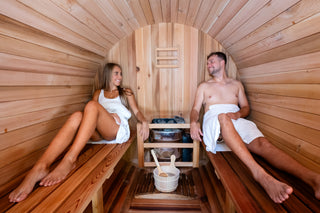
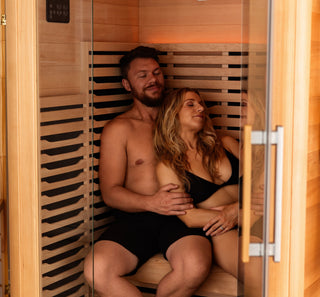
Traditional versus infrared. Traditional saunas heat the air around you to high, dry temperatures, giving the classic sharp heat contrast that pairs well with a cold plunge. Infrared saunas run at lower temperatures and heat the body more directly, which some people find more comfortable for longer sessions, though the contrast with cold water is gentler.
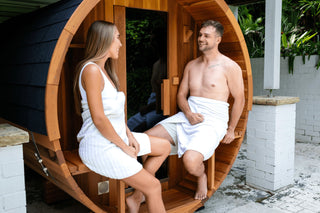
Indoor versus outdoor placement. Outdoor saunas suit contrast therapy setups particularly well in Australia and New Zealand, since you can position a cold plunge tub right alongside the sauna and move between the two without tracking water or heat through the house.
Heater sizing. A heater that's undersized for the cabin volume will struggle to reach temperature, which undermines the heat contrast the whole practice depends on. Match the heater to the cabin size rather than choosing on price alone.
Recovery time between sessions. If you're planning regular contrast sessions, look for a sauna that reheats quickly between uses so the practice stays convenient rather than becoming a chore.
Common mistakes to avoid
- Skipping the warm-up phase and jumping straight into cold water without any heat exposure first, which reduces the physiological benefit.
- Staying in cold water far longer than needed. Two minutes is generally more than enough; longer isn't automatically better and increases risk.
- Doing contrast therapy late at night, when the alertness spike from the cold phase can interfere with sleep.
- Treating contrast therapy as a replacement for medical care rather than a complementary wellness practice.
Frequently asked questions
Is contrast therapy safe for beginners?
Yes, for most healthy adults it's low risk when introduced gradually. Start with shorter cold exposure and build up over several sessions rather than attempting a full protocol on day one.
How often should I do contrast therapy?
Two to three sessions a week is a reasonable starting point for most people. Athletes in heavy training blocks sometimes do it more often, but more frequent sessions aren't necessarily better for general wellness use.
Can I do contrast therapy with an infrared sauna?
Yes. The lower operating temperature of infrared saunas means the heat-cold contrast is gentler, which some people prefer, particularly when starting out.
Do I need a dedicated cold plunge tub?
No. A cold shower, an ice bath in a regular tub, or a natural body of cold water all work using the same underlying mechanism, just at different intensities.
Getting started
Contrast therapy is one of the more evidence-informed wellness trends to take hold in Australia and New Zealand this year, and the appeal is straightforward: short sessions, noticeable effects, and a practice with real historical roots rather than a manufactured fad. If you're weighing up a sauna for your own home setup, our team can help you think through sizing, placement, and indoor versus outdoor options based on your space.
This article is intended as general wellness information and isn't a substitute for medical advice. Speak with your doctor before starting contrast therapy if you have a heart condition, are pregnant, or manage a chronic health condition.